








Alternative to bone conduction

Bone conduction headphones have become popular for running, cycling, and everyday use because they leave your ears open. But is this the best—and only—solution for sound, comfort, and safety today? In this blog post, you’ll get a clear overview of the best alternatives to bone conduction, when they make more sense, and how to make the right choice. Today’s market offers several new solutions that combine open listening, great sound, and comfort without relying on bone conduction technology. This gives us all the freedom to choose the type of listening experience that best suits our activity, surroundings, and personal preferences.
This blog post guides you through everything you need to know about bone conduction and the new options available in 2026. Among other things, we’ll cover the technology behind it and the most popular solutions. In addition, we’ll give you specific advice on how to choose the right type of headphones for your everyday life.
You'll get:
- An introduction to how bone conduction works and when it makes sense to use it.
- An overview of modern alternatives such as open-ear, transparent in-ear, and other open solutions.
- Practical tips for striking a balance between sound, comfort, and safety—whether you're running, commuting, or working.

What is bone conduction?
Bone conduction transmits sound by sending vibrations through the skull rather than through the air to the eardrum. This technology allows you to listen to music and other sounds without blocking the ear canal, since your ears remain open. This can be an advantage when you want to stay aware of your surroundings, such as while running or cycling. However, the sound quality may seem less rich, especially in the bass, and some people find that the volume is limited in noisy environments.
The Best Alternatives to Bone Conduction in 2026
Below, you'll find an overview of the best alternatives to bone conduction and their benefits. The goal is to give you a clear overview of the options and make it easy to choose the solution that best suits your needs.
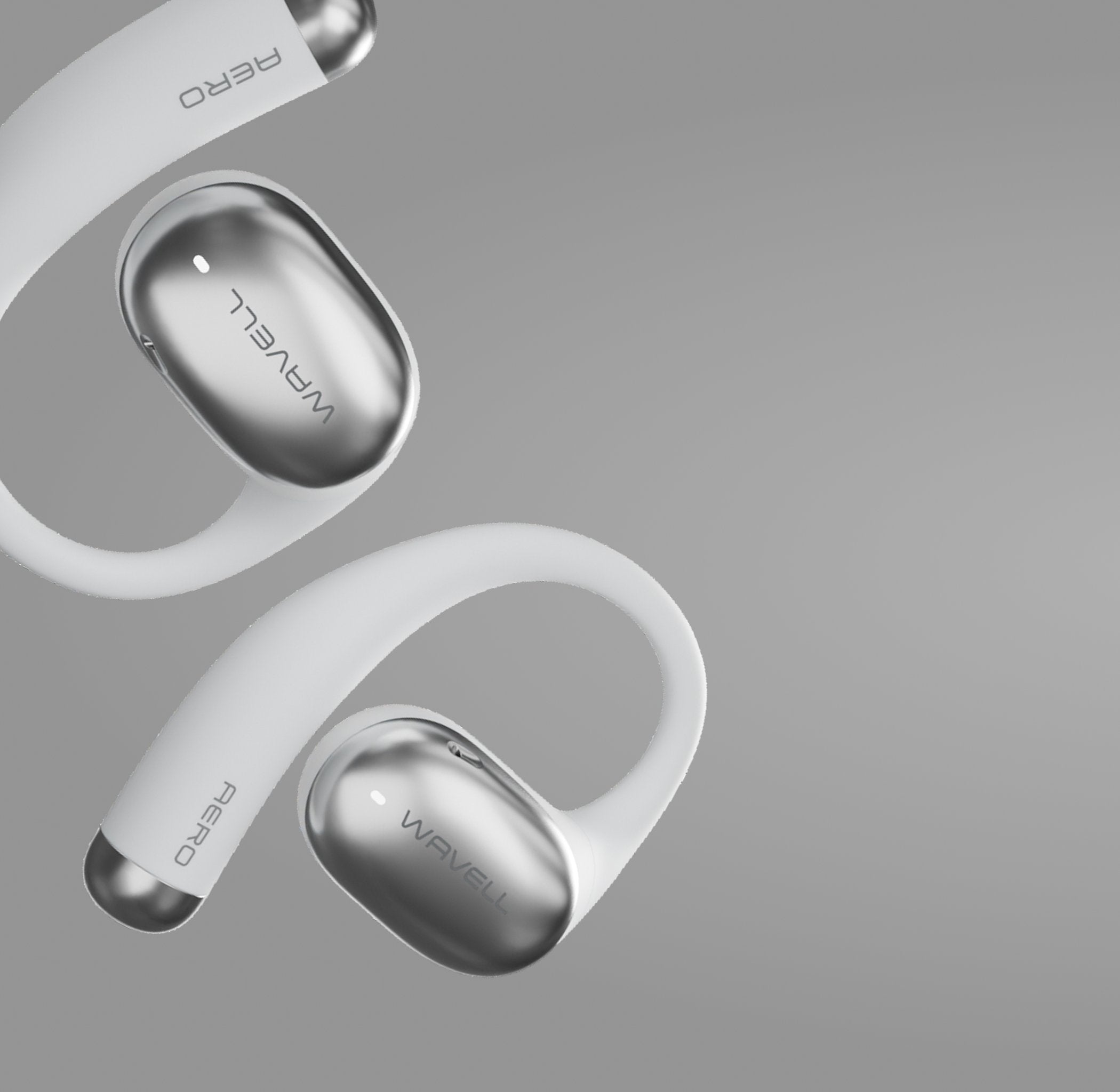
Open-ear headphones
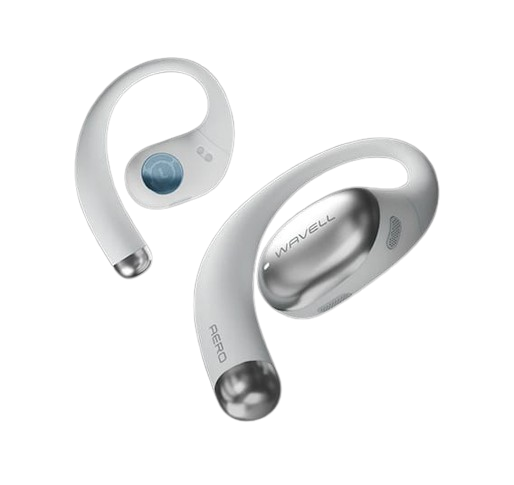
Open-ear earbuds sit just outside the ear canal. They transmit sound through the air, not via bone conduction, and the ears remain open. The result is typically a richer sound than with bone conduction, especially in the midrange, and less vibration on the cheekbone. Many models feature ear hooks or headbands, which provide stability during sports.
Strengths
- Open ears without pressure in the ear canal
- Better bass and a more natural sound than traditional bone conduction
- High comfort in warm weather and during longer workouts
Please note
- Sound leakage near others
- Wind sensitivity depends on the design

In-ear headphones with transparency mode
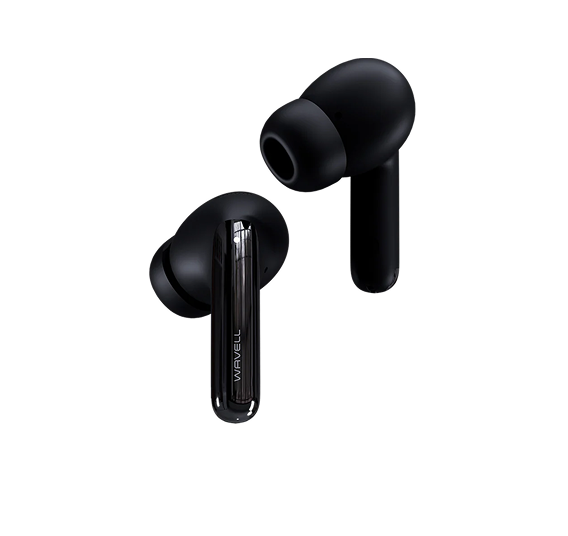
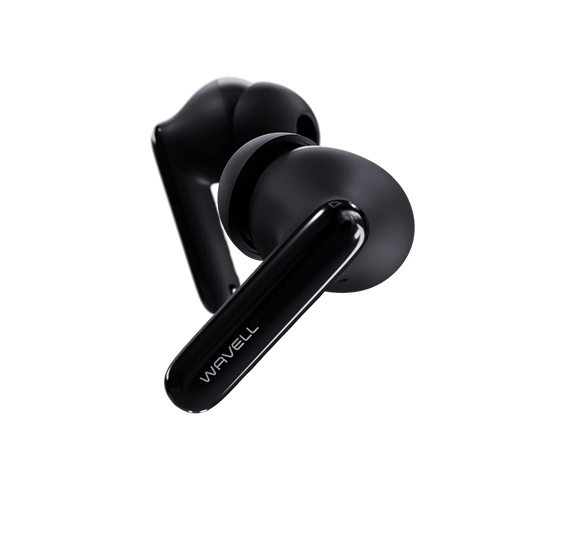
Modern in-ear headphones often feature a transparency mode that uses microphones to let in ambient sounds. This gives you the rich sound and passive seal of in-ear earbuds, but with the ability to hear bicycles, cars, and coworkers. For many people, this is the most versatile solution because you can switch between noise cancellation, transparency, and normal mode depending on the situation.
Strengths
- Significantly better bass and level of detail than bone conduction
- Flexibility between active noise cancellation, transparency, and neutral mode
- Often the best choice for a variety of uses, including work, commuting, and working out at the gym
Please note
- You may feel heat in your ear when running outdoors on hot days
- May require the correct ear tips to ensure a snug fit for optimal comfort

Over-ear with transparency mode
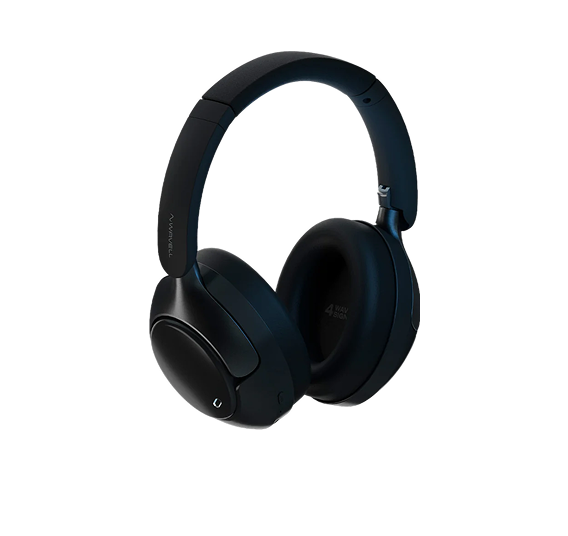
Over-ear headphones can also serve as an alternative when you want great sound and comfort in the office. Models with good microphone-based transparency let you hear your surroundings while maintaining rich sound and clear call quality.
Strengths
- Best overall sound, both for bass and detailed tones
- No sound leakage compared to bone conduction
Please note
- Less suitable for interval training and runs in the rain
- Even in transparency mode, it can be harder to hear your surroundings clearly
Open-ear headphones as the best alternative to bone conduction
Open-ear headphones are the most comprehensive and modern alternative to bone conduction. They combine the freedom of open ears with a much richer and more balanced sound, because they rely on air conduction rather than vibrations through the bones. The result is a natural listening experience where both music and speech are reproduced clearly, without losing your awareness of your surroundings.
Another major advantage of open-ear technology is comfort. Since the ear canal isn’t blocked, you avoid heat and pressure, making them ideal for extended use, both during workouts and in everyday life. At the same time, you can carry on conversations, hear traffic, and react quickly to your surroundings, providing a much safer and more relaxed listening experience.

Our recommendation: Wavell 4 Aero
One of the most well-designed examples of this new generation of open-ear headphones is Wavell 4 Aero. It has been developed specifically for active use, where stability, sound, and safety must go hand in hand. With its open-ear design, you stay connected to your surroundings, while the advanced drivers deliver clear, energetic, and balanced sound. The design is lightweight and ergonomic, so you can wear them for hours without discomfort.
The Wavell 4 Aero is also designed for the Danish climate—it’s sweat- and water-resistant, has a long battery life, and features intuitive buttons that work in both rain and cold. Combined with Danish customer service and a satisfaction guarantee, you get a reliable solution that makes switching to open-ear technology a worry-free experience.
With the Wavell 4 Aero, you get the essence of what modern open-ear headphones have to offer: natural sound, pressure-free comfort, and the freedom to hear the world around you—all without compromising on quality or design.