








Is it okay to ride a bike while wearing headphones?

Music, podcasts, and audiobooks make your bike ride more enjoyable. Whether you're commuting to work, biking to school, or using your bike to get to the gym, headphones has become an integral part of everyday life.
But is it actually allowed to ride a bike while wearing headphones? And are there any special rules if you wear them in both ears? The good news is that it’s legal to wear headphones while biking in Denmark. At the same time, there are some important things you should know about traffic safety and staying alert before you hit play and ride off.
Wearing headphones while biking is not illegal
There is no provision in the Traffic Law that prohibits the use of headphones while cycling. You are therefore welcome to listen to music, listen to podcasts, talk on the phone, or use navigation through your headphones while cycling. This applies to both wireless and wired models.
The most important thing is that you can still ride safely in traffic. As a cyclist, you are responsible for staying aware of your surroundings, reacting to the traffic around you, and riding your bike safely. So it’s not the headphones themselves that matter, but how you use them.
What about earbuds in both ears?
A common misconception is that you can only use one headphones at a time. However, that is not the case. There is no rule prohibiting the use of earbuds in both ears while cycling. You are therefore free to choose whether to use earbuds in one or both ears.
That said, it might be worth considering how much sound you’re blocking out. If you’re cycling through heavy city traffic, it can be nice to still be able to hear doorbells, cars, and other road users around you. That’s why some cyclists choose to use only one earbud or take advantage of features that let ambient sounds through.

When the music drowns out the traffic
Even though headphones are legal, that doesn’t necessarily mean that every use is equally safe. When you’re biking, you don’t rely solely on your eyes to navigate. Your hearing also helps you detect what’s happening around you. Sounds from cars, buses, other cyclists, and emergency vehicles provide important information that can be difficult to pick up on visually alone.
If the music is playing very loudly, or if your headphones completely block out your surroundings, it may be harder to react quickly to unexpected situations. That’s why many traffic safety experts recommend keeping the volume at a level where you can still hear the most important sounds around you.
The Best Type of Headphones for Cycling
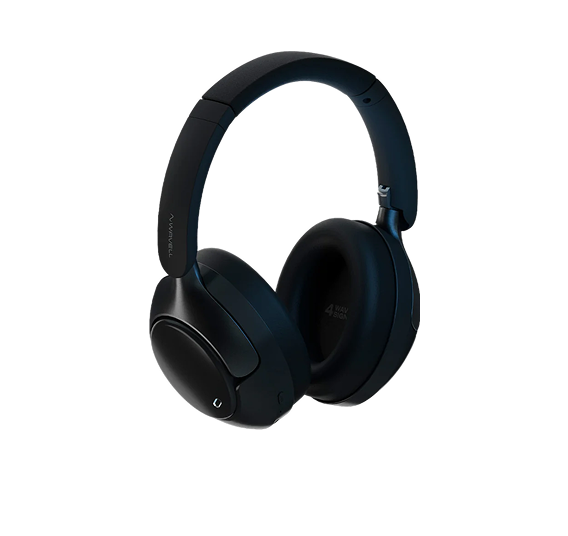
There isn't just one type headphones, which are suitable for all cyclists. Some prefer to block out their surroundings and immerse themselves in music or podcasts, while others want to be able to hear the traffic around them throughout their ride. For many, the choice comes down to finding the right balance between comfort, sound quality, and situational awareness.
Open-ear headphones for those who want to hear their surroundings
Open-ear headphones have become popular among both runners and cyclists because they don’t block the ear canal. Instead, the sound is delivered close to the ear, while you can still hear traffic, conversations, and other ambient sounds. This makes them particularly appealing to people who cycle a lot in the city or on busy bike paths.
Wavell 4 Aero is an example of an open-ear model designed for active users who want to enjoy music while staying aware of their surroundings.
In-ear headphones for commuting and everyday use
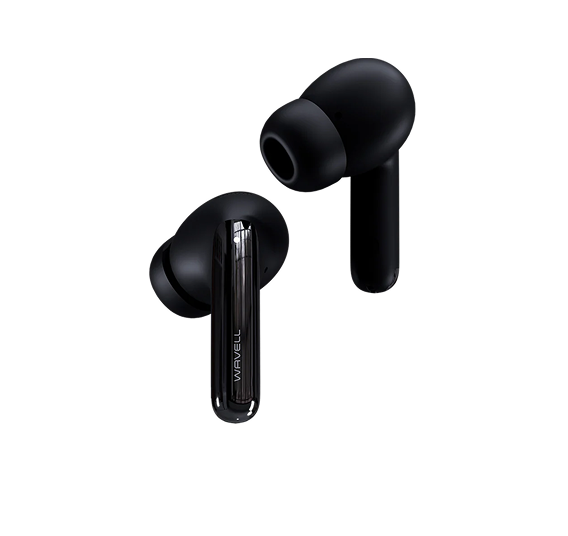
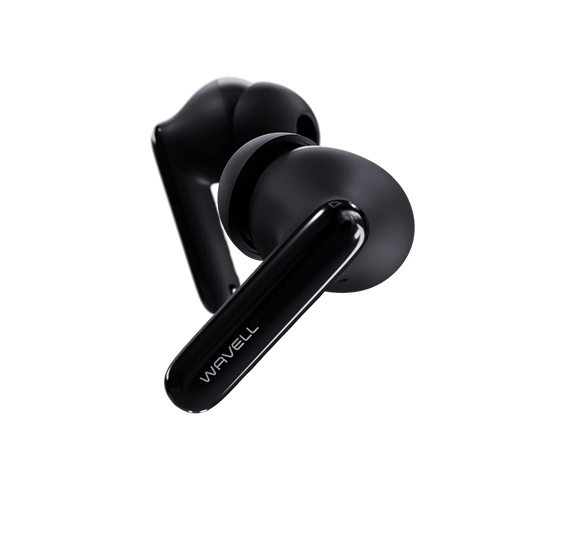
Many people still prefer in-ear headphones, because they take up very little space and stay securely in place while you're moving.
Models such as Wavell 4 Pro, Wavell 3 Pro and Wavell 4 Plus are popular among users who want a compact solution with high sound quality and the freedom of wireless connectivity.

How to Listen to Both Music and Traffic
Many headphones offer features that can make them more suitable for use in traffic. One of the most popular features is transparency mode, which actively lets ambient sounds through. That way, you can still hear traffic, announcements, and people around you without taking out your headphones.
This stands in contrast to active noise reduction (ANC), which is designed to block out as much ambient noise as possible. ANC can be great on planes, trains, or in the office, but when cycling, many people prefer a solution that allows them to stay aware of their surroundings.
A few tips before you hop on your bike
If you want to use headphones When riding your bike, these simple tips can help you have a better and safer experience:
- Keep the volume at a moderate level
- Be extra careful at intersections and roundabouts
- Avoid using your phone while driving
- Consider using open-ear headphones in heavy traffic
- Use the transparency features if your headphones support them
- Take a good look around, even if you think you heard traffic
Listening to music while biking doesn't have to compromise safety
For most people, it's all about headphones A bike ride isn't about shutting out the world. It's about making your commute a little more entertaining, getting motivated for your daily workout, or listening to that podcast you didn't get around to the day before. With the right type of headphones and a little foresight, you can easily enjoy music, podcasts, and calls while biking without compromising your safety.
The choice of headphones ultimately depends on your preferences. Some people prefer the open-ear experience from open-ear headphones, while others prefer the comfort and sound quality of in-ear headphones. When you wear headphones while biking, it's all about finding a balance where the sound enhances your ride without making you lose awareness of the traffic around you.