



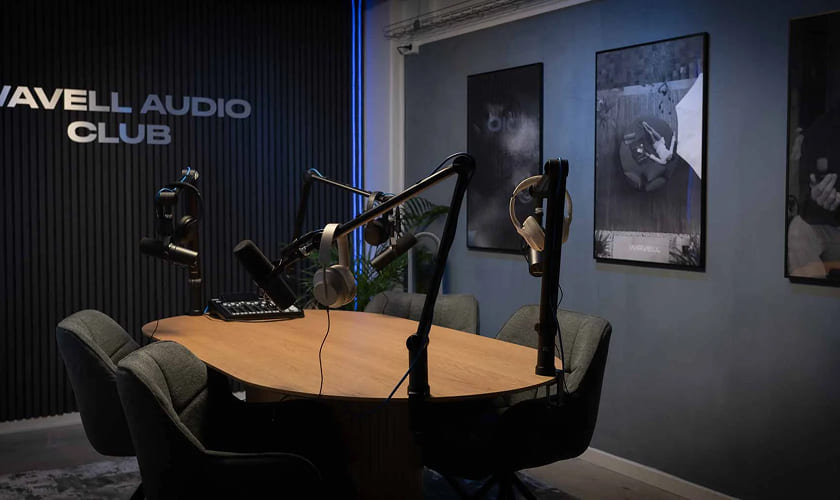




Listen Your Way to Better Sleep with Sleep Expert Laura Kanadel
In collaboration with sleep coach Laura Kanadel, we take a closer look at how sound
can be used as an effective tool to improve sleep quality by both
reduce distracting noise and help the brain find peace.
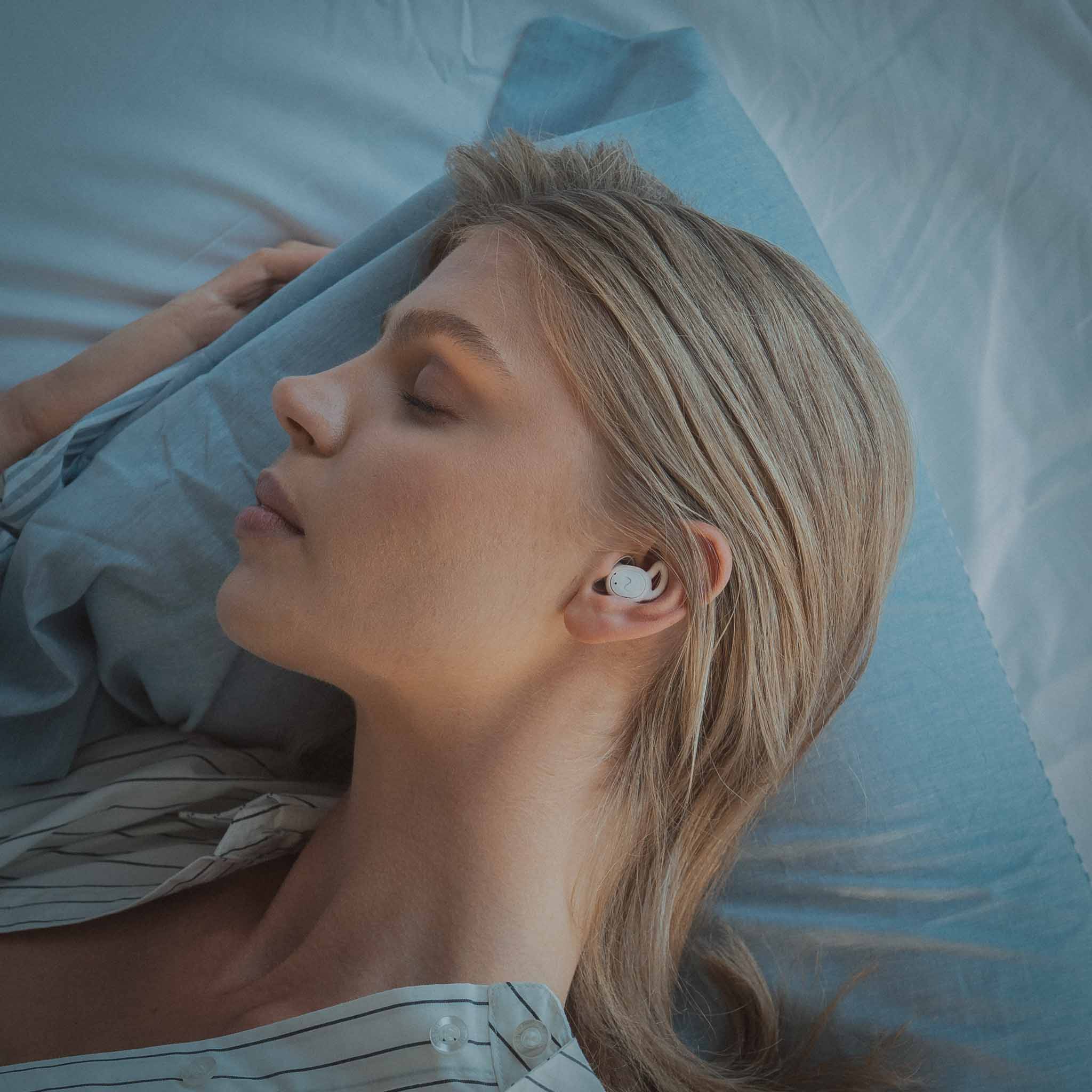
Why might sound be the key to better sleep?
Noise is one of the most overlooked causes of sleep problems. Whether it’s a partner’s snoring, traffic outside the window, or other unpredictable sounds, even minor disturbances can prevent us from getting the deep, restorative sleep our bodies need.
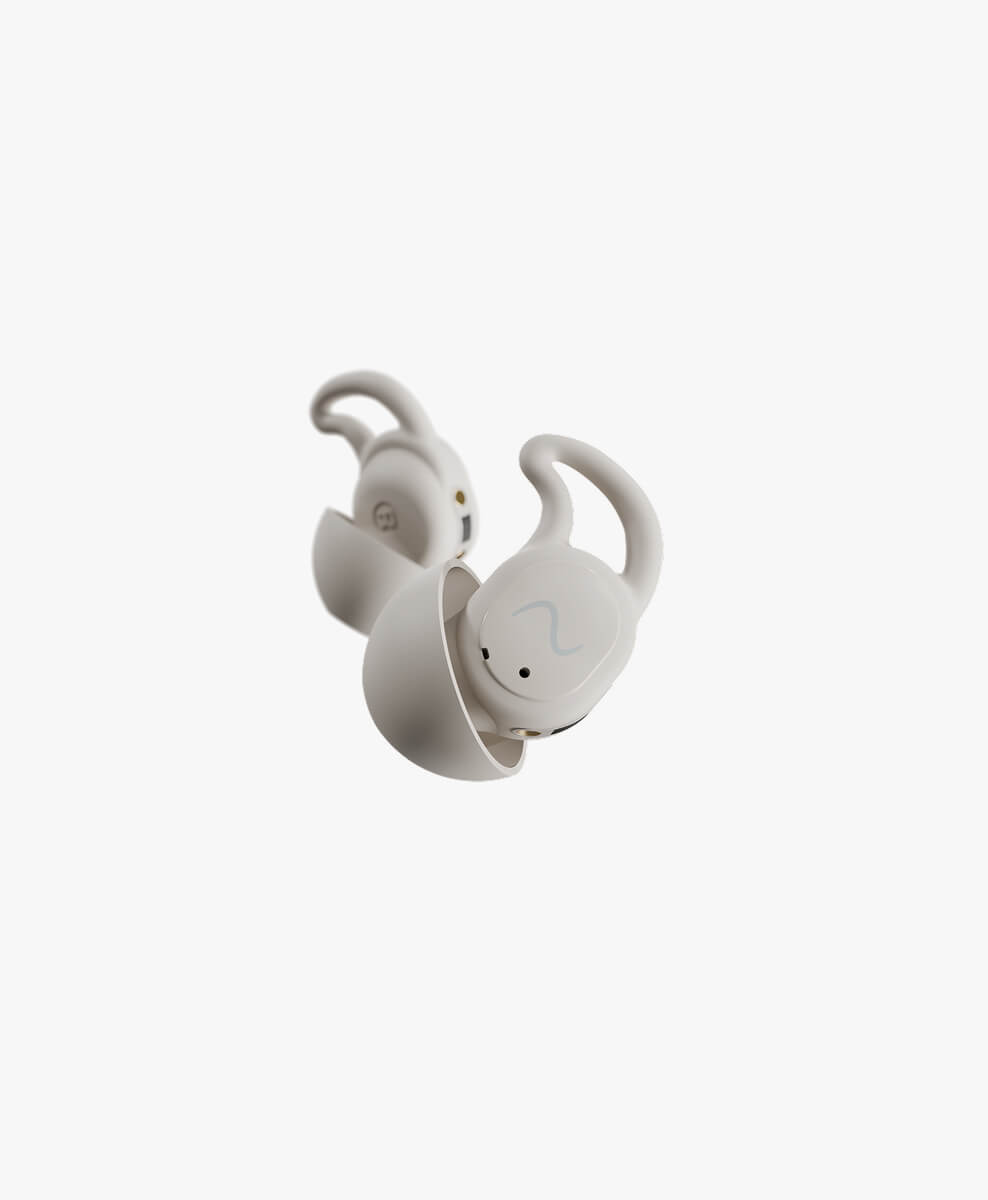
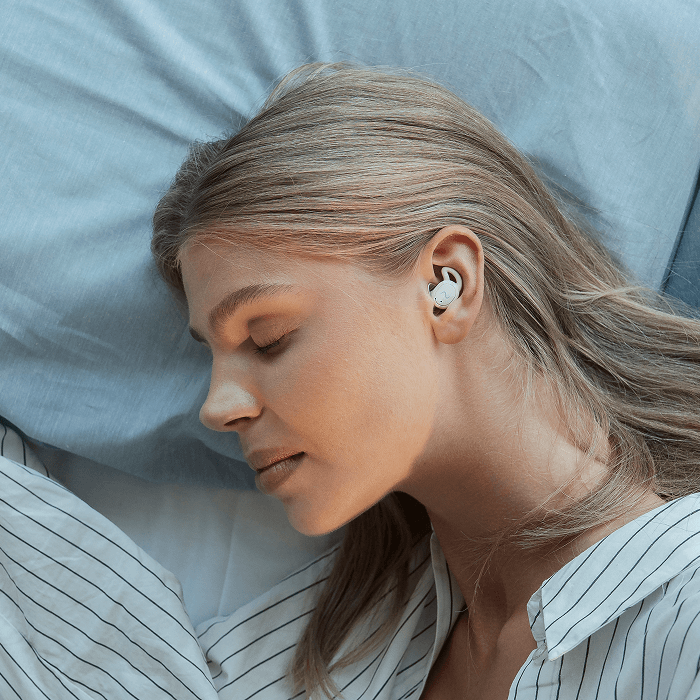
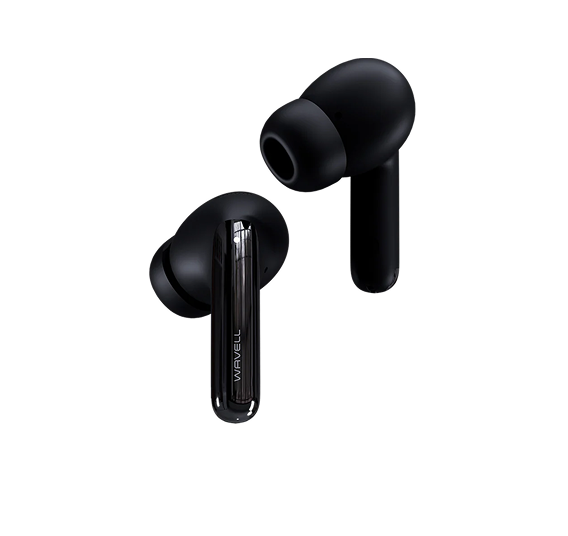
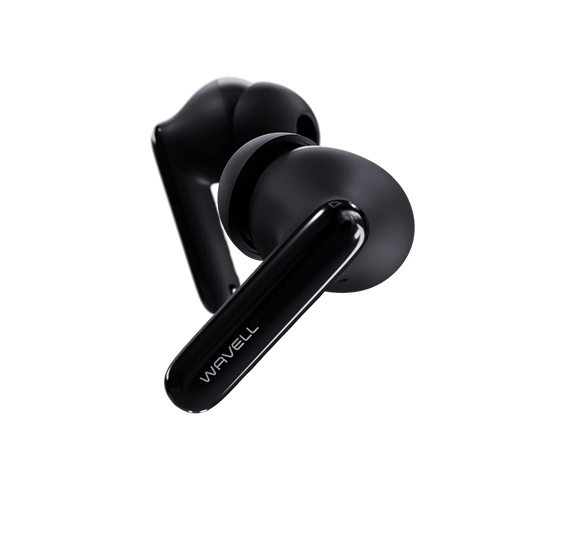
Earplugs can be a simple solution for blocking out unwanted noise, while specially designed sleep headphones open up even more possibilities—such as playing soothing music, white noise, or guided meditations. According to Laura Kanadel, sound masking is particularly effective because a steady and calm soundscape can help the brain relax even in noisy environments.
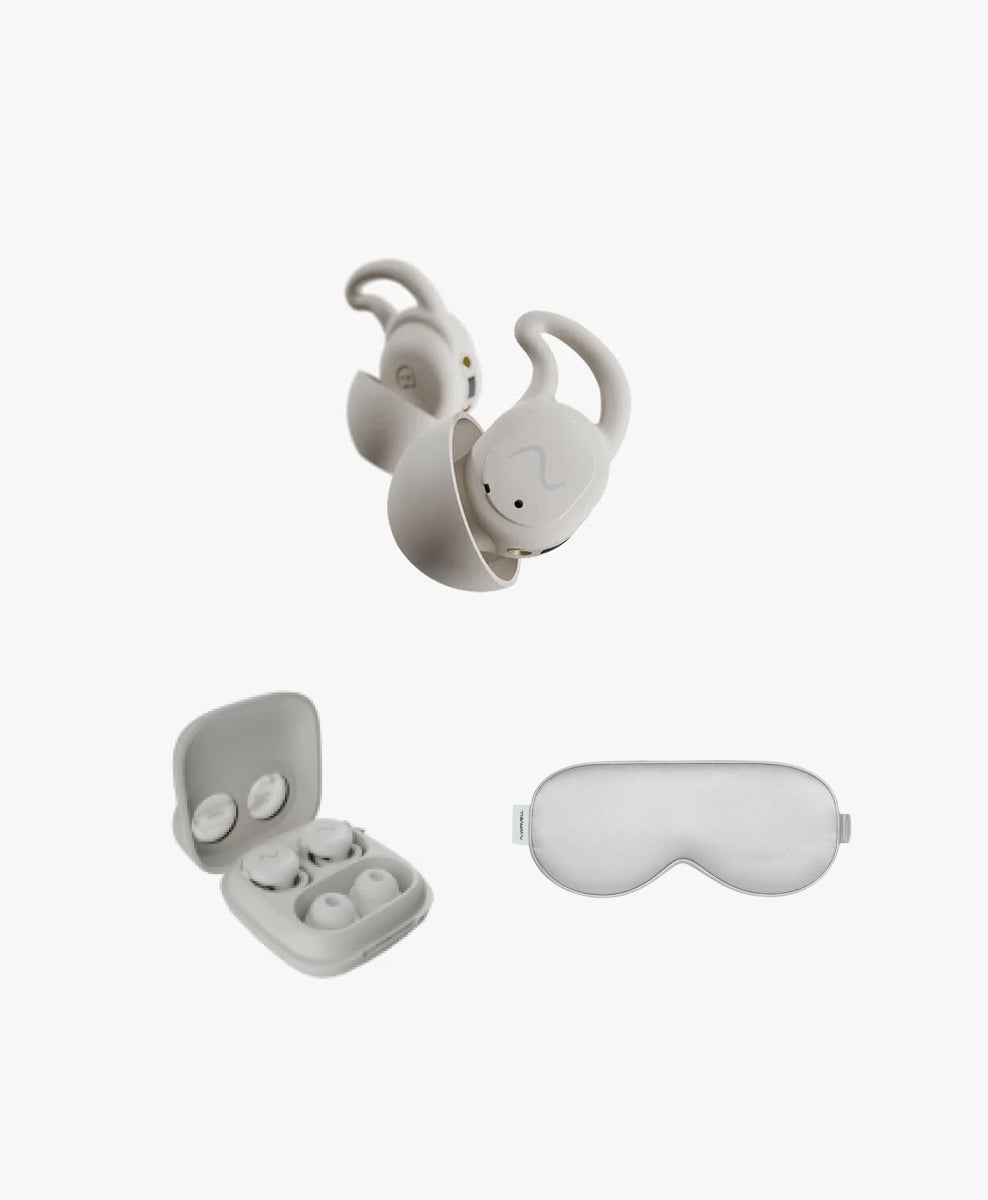
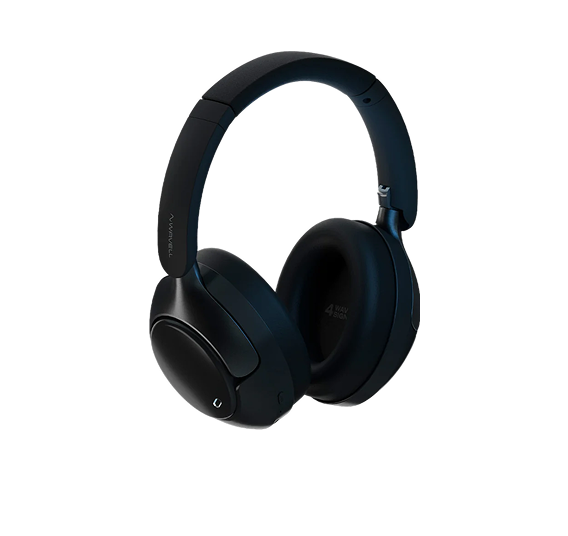
When we don’t sleep well, we notice it right away. It affects our concentration, our mood—and, in the long run—our physical and mental health. That’s why we want to focus on how we can improve the quality of our sleep through technology. With the right solutions, we can reduce noise and improve sleep. This is perhaps one of the most meaningful ways we can use technology: to help the body rest and recover. This is where Wavell 4 Sleep Pro comes into the picture.
5 Good Habits for Better Sleep
A good night's sleep begins long before we lay our heads on the pillow. Here are five habits,
as research shows, can improve our sleep:
1.
Go to bed and wake up at the same time every day.
Our circadian rhythm needs stability and routine.
2.
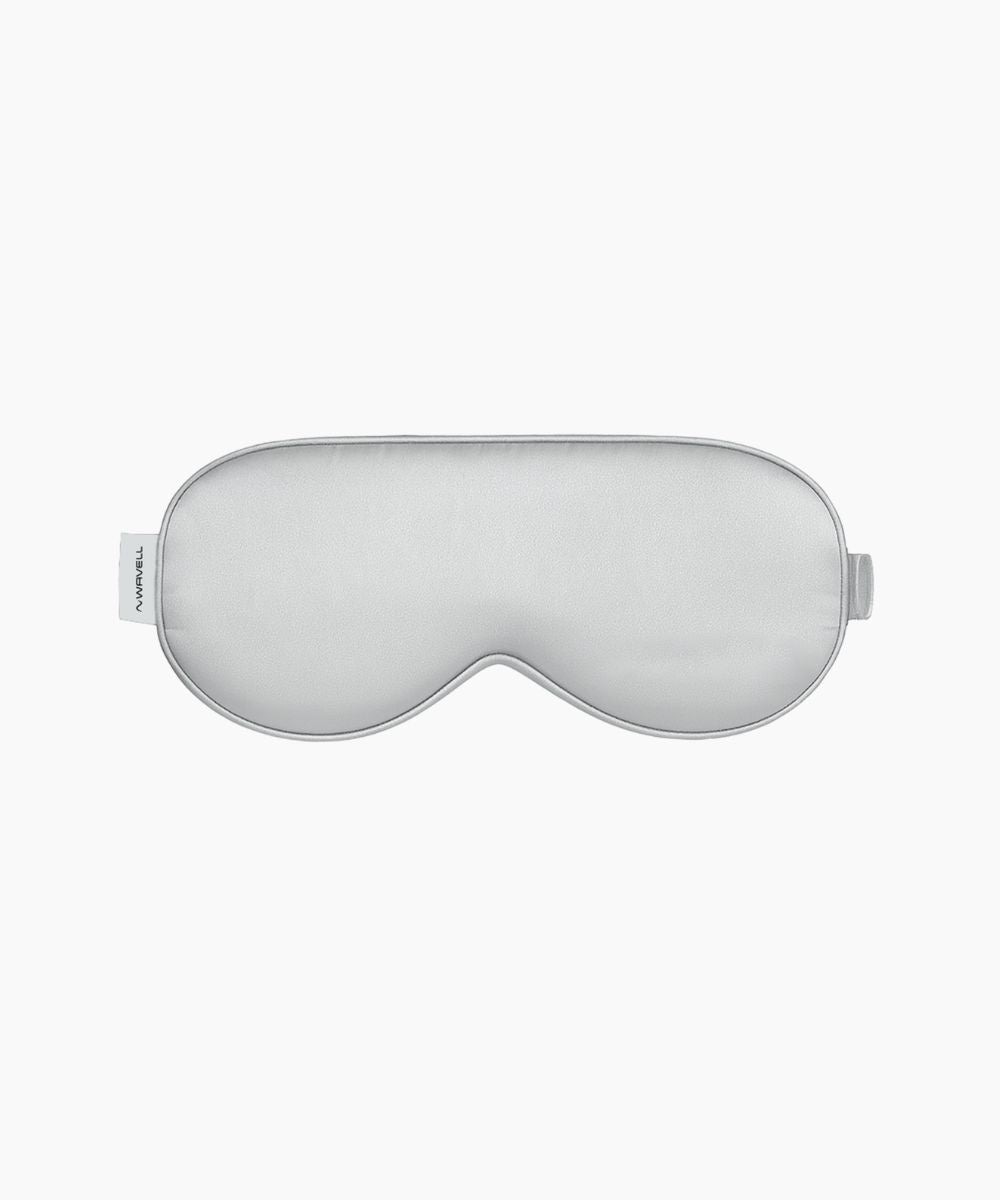
Dim the lights and put on an eye mask one hour before bedtime.
Light, especially from screens, inhibits our body's natural release of melatonin.
3.
Avoid large meals, caffeine, and alcohol late at night.
It interferes with our ability to fall into a deep, restful sleep early in the night. For some of us, it can also cause us to wake up between 2 and 4 a.m.
4.
Establish a regular evening routine.
It could be reading or doing breathing exercises
or listen to soothing sounds.
5.
Send your brain a clear signal that the day is over.
Here, advanced technology can help by providing specially designed sounds that support and set the stage for a calm atmosphere—and thus prepare us for the night.

Reduce noise and improve your sleep
About 40 percent of adult men snore regularly—and nearly one in four women snores regularly. Snoring isn’t just a nuisance for ourselves; it can significantly disrupt the sleep of those we share a bed with. Noise is one of the most underestimated causes of sleep disturbances. Research shows that sharp, high-frequency noise, such as traffic or loud voices, can affect our sleep quality. This is because the brain remains partially alert even during sleep and reacts to unpredictable sounds with brief awakenings or shallow sleep. This means that we might think we’ve slept undisturbed, but our body hasn’t actually gotten the deep, restorative sleep it needs. Sound masking or white noise creates a stable and soothing soundscape that helps the brain relax even when the surroundings are noisy. Read more about our noise-canceling sleep headphones here

Fighting the Whirlwind of Thoughts
Nearly half of us experience sleep problems. One of the most common causes is a racing mind—when the brain simply can’t settle down at bedtime. Worries, to-do lists, and unresolved thoughts keep the brain active, precisely when it should be winding down. When we lie awake and brood, it’s often because our nervous system is still in an activated state—what we call the sympathetic nervous system. This is the same system that prepares us to handle stress and enhances our ability to perform. To fall asleep, the body must instead shift to the parasympathetic nervous system—the system that supports calm, digestion, and recovery. And this is where sound can play a crucial role. Soothing sounds, guided meditations, and stories can help our brains shift gears from activity to calm. We know from research that music can calm us and actually help us fall asleep. We’re familiar with this effect from children who calm down to lullabies and bedtime songs. The right sound can create a safe environment where thoughts fade away and sleep takes hold.
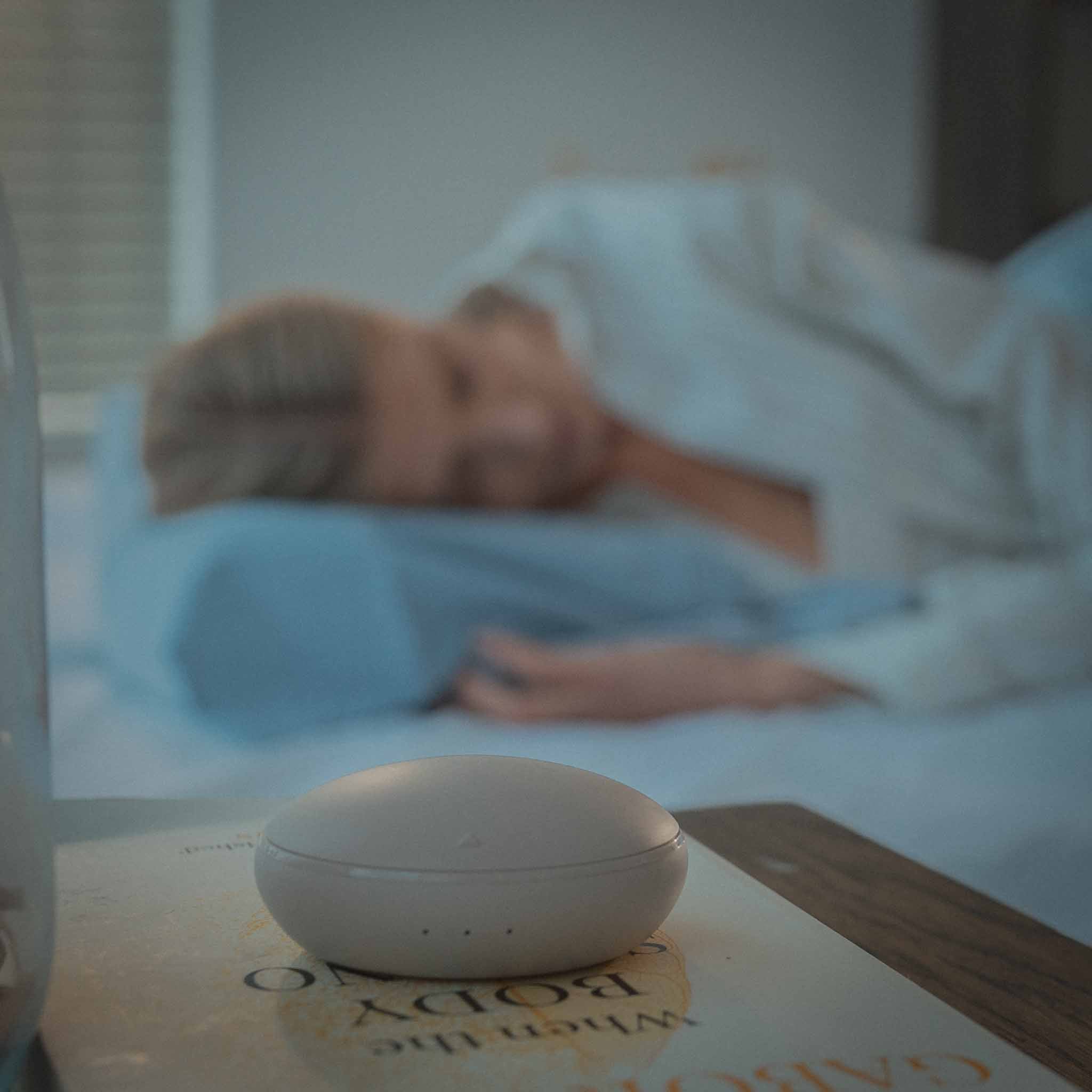
Music as a Sleep Aid
Music can be an effective way to fall asleep. Several studies show that calm soundscapes before bedtime can lower heart rate, reduce stress hormones, and ease the transition to sleep. Music can help us fall asleep, but the duration of the music is quite important. If sound continues into REM sleep, it can disrupt sleep quality. This is because the brain continues to register auditory stimulation during sleep, which can lead to micro-awakenings, even without us realizing it. That’s why it’s crucial to adjust the sound to the natural rhythm of sleep—in other words, to turn it off so it doesn’t disturb us throughout the night. With features like a sleep timer, we can set the music to turn off so we can stay asleep without unnecessary stimulation later in the night. This is actually one way technology can support our sleep rather than get in the way of it.
Who is Laura Kanadel?
Laura Kanadel is a certified sleep coach and the founder of The Sleep Institute.
She has more than ten years of experience in training and development, and her strength
is to translate sleep research into practical tools that can be used in
everyday life. She has reached over 150,000 participants through nearly 1,000
masterclasses, and is a sought-after expert in both the media and podcasts, where
She shares her knowledge about sleep, mental health, and performance.
Are you ready to take the next step toward better sleep?
Check out our noise-canceling sleep headphones here and discover how technology can help you find peace, rest, and better nights of sleep.